Essential Carpentry Skills Every Homeowner Should Know
- Skippy kangaroo
- Oct 15, 2025
- 4 min read

Carpentry is more than just a trade; it is a valuable skill set that every homeowner should consider learning. Whether you want to build a new bookshelf, repair a fence, or create a custom piece of furniture, having basic carpentry skills can save you time and money. In this post, we will explore essential carpentry skills that can empower you to tackle home improvement projects with confidence.
Understanding Basic Tools
Before diving into carpentry projects, it is crucial to familiarize yourself with the basic tools. Here are some essential tools every homeowner should have:
Tape Measure: Accurate measurements are the foundation of any carpentry project. A good tape measure will help you measure lengths and widths accurately.
Hammer: A reliable hammer is essential for driving nails into wood. Choose one that feels comfortable in your hand.
Saw: Whether you opt for a hand saw or a power saw, having a saw is necessary for cutting wood to size.
Level: A level ensures that your projects are straight and even. This tool is especially important for hanging shelves or cabinets.
Screwdriver: A set of screwdrivers, both flathead and Phillips, will help you assemble and disassemble furniture or fixtures.
Familiarizing yourself with these tools will make your carpentry projects much easier.
Measuring and Marking
One of the most critical skills in carpentry is measuring and marking accurately. Here are some tips to help you get it right:
Always Measure Twice: Before making any cuts, measure your wood twice. This simple step can prevent costly mistakes.
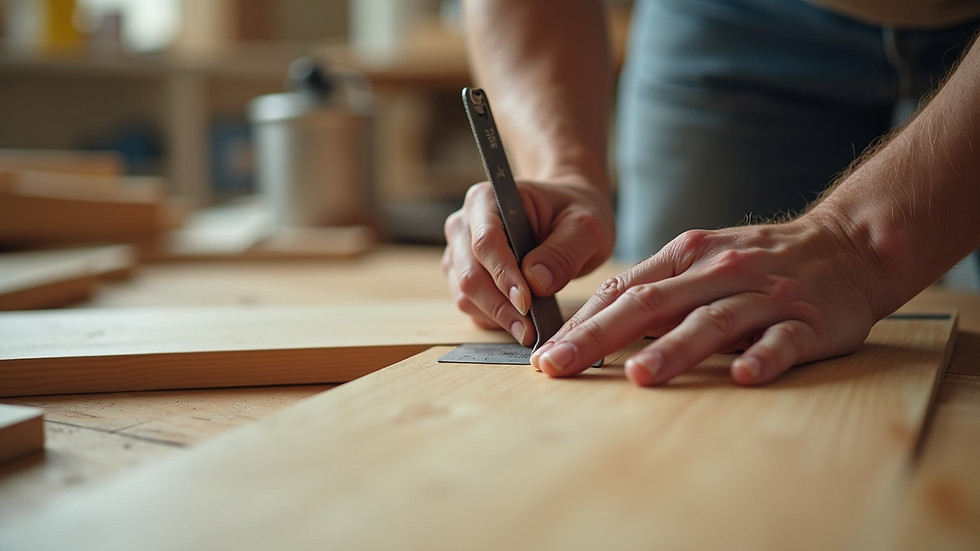
Use a Square: A framing square helps you mark right angles, ensuring that your cuts are straight and true.
Mark Clearly: Use a pencil to mark your measurements. Make sure your lines are visible and easy to follow.
By mastering measuring and marking, you will set a solid foundation for your projects.
Cutting Techniques
Cutting wood is a fundamental skill in carpentry. Here are some techniques to consider:
Straight Cuts: For straight cuts, use a circular saw or a hand saw. Always follow your marked line carefully.
Curved Cuts: If you need to make curved cuts, a jigsaw is your best friend. Take your time and follow the line closely.
Cross Cuts vs. Rip Cuts: Understand the difference between cross cuts (cutting across the grain) and rip cuts (cutting with the grain). Each requires different techniques.
Practicing these cutting techniques will improve your confidence and precision.
Joining Wood
Joining wood pieces together is a key aspect of carpentry. Here are some common methods:
Nails: Using nails is one of the simplest ways to join wood. Make sure to choose the right size for your project.
Screws: Screws provide a stronger hold than nails. Pre-drilling holes can prevent the wood from splitting.
Wood Glue: For a seamless finish, wood glue can be used in conjunction with nails or screws. It adds strength to the joint.
Dovetail Joints: For more advanced projects, learning how to create dovetail joints can enhance the durability and aesthetics of your work.
Understanding these joining methods will allow you to create sturdy and lasting projects.
Sanding and Finishing
Once your project is assembled, sanding and finishing are the final steps. Here’s how to do it:
Sanding: Start with a coarse grit sandpaper and gradually move to a finer grit. This process smooths the surface and prepares it for finishing.
Finishing: Choose a finish that suits your project. Options include paint, stain, or varnish. Each provides a different look and level of protection.
Apply Evenly: When applying finish, use a brush or cloth to ensure an even coat. Follow the manufacturer's instructions for drying times.
Taking the time to sand and finish your projects will enhance their appearance and longevity.
Safety First
Safety should always be your top priority when working with tools. Here are some essential safety tips:
Wear Protective Gear: Always wear safety glasses and gloves to protect yourself from debris and sharp edges.
Keep Your Workspace Clean: A tidy workspace reduces the risk of accidents. Make sure to clean up sawdust and debris regularly.
Follow Tool Instructions: Each tool comes with its own set of safety instructions. Familiarize yourself with these before use.
By prioritizing safety, you can enjoy your carpentry projects without unnecessary risks.
Practical Projects to Start With
Now that you have a grasp of essential carpentry skills, it’s time to put them into practice. Here are some beginner-friendly projects to consider:
Bookshelf: Building a simple bookshelf is a great way to practice measuring, cutting, and joining wood.
Picture Frame: Creating a picture frame allows you to experiment with miter cuts and finishing techniques.
Garden Planter: A wooden planter box is a practical project that can enhance your outdoor space.
Birdhouse: Building a birdhouse is a fun project that can be completed in a weekend.
These projects will help you apply your skills while creating something useful.
Resources for Learning
If you want to expand your carpentry knowledge, there are plenty of resources available:
Online Tutorials: Websites and YouTube channels offer step-by-step tutorials for various carpentry projects.
Books: Consider investing in a carpentry book that covers the basics and advanced techniques.
Local Workshops: Many community centers and hardware stores offer workshops for beginners. These hands-on experiences can be invaluable.
Utilizing these resources will help you grow your skills and confidence in carpentry.
The Joy of Carpentry
Carpentry is not just about building; it is about creating something with your own hands. The satisfaction of completing a project is unmatched.
Imagine the pride you will feel when you build a piece of furniture or complete a home repair. These skills not only enhance your home but also provide a sense of accomplishment.
As you embark on your carpentry journey, remember that practice makes perfect. Start with small projects and gradually take on more complex tasks.
With time and dedication, you will become a skilled carpenter, ready to tackle any home improvement challenge that comes your way.
In the end, the skills you learn in carpentry will serve you well. You will not only save money on repairs but also gain the ability to create and customize your living space.
So grab your tools, measure twice, and start building. The world of carpentry awaits you, and the possibilities are endless.


Comments